
Revolutionary AR Glasses in 2026: Transforming Professional Collaboration
Understanding AR Glasses: What You Need to Know
Augmented Reality (AR) glasses have taken the tech market by storm, blending the physical and digital realms in ways that were once the realm of science fiction. These innovative devices offer users the ability to interact with digital content in their real-world environments, making them an exciting addition to various sectors, including gaming, education, and business. As a technology enthusiast looking to stay ahead of the curve, understanding AR glasses is essential to leverage their potential effectively.
What are AR Glasses and How Do They Work?
AR glasses are wearable devices that overlay digital information onto the user’s view of the real world. Unlike Virtual Reality (VR), which immerses users in a completely virtual environment, AR enhances the real world by superimposing computer-generated elements onto actual surroundings. The technology typically incorporates cameras, sensors, and displays to achieve this interactive experience.
Key components of AR glasses include:
- Display Technology: Most AR glasses use transparent displays or project images directly onto the lenses, allowing users to see both the real world and digital information simultaneously.
- Sensors: These devices often include accelerometers, gyroscopes, and GPS to track user movement and position, ensuring that digital overlays align accurately with physical objects.
- Connectivity: Many AR glasses depend on a connection to smartphones or other devices to access data and power, although standalone models are becoming more prevalent.
The History and Evolution of Augmented Reality Technology
The concept of augmented reality dates back to the 1960s, but it was not until the advent of advanced computing and mobile technology that practical applications emerged. Early prototypes, like the Sword of Damocles, laid the groundwork for future developments. However, it wasn’t until the 2000s that AR technology began to gain traction in consumer applications, with mobile apps and games like Pokémon GO bringing mainstream attention. Today, AR glasses promise to further evolve this technology, offering immersive experiences across various fields.
Key Features and Benefits of Using AR Glasses
AR glasses come equipped with distinct features that enhance their usability:
- Hands-free Operation: Users can interact with the digital world without the need for handheld devices, allowing for a more natural experience.
- Real-time Data Display: Information can be presented instantly, enabling quick decision-making and enhanced productivity.
- Enhanced Collaboration: In business settings, users can share visual content with colleagues remotely, improving teamwork and communication.
Leading AR Glasses of 2026: A Comprehensive Review
The market for AR glasses is rapidly expanding, with numerous brands vying for consumer attention. Here’s an overview of some top models expected to dominate in 2026:
Top Models to Consider and Their Unique Features
Several manufacturers have launched models that offer unique features catering to different user needs:
- VITURE AR Glasses: Known for their exceptional user interface and robust software, VITURE glasses integrate seamlessly with other tech.
- Ray-Ban Meta AI Glasses: These stylish glasses combine AR capabilities with AI functions, offering a fashionable yet functional option.
- XREAL Air 2: Focused on comfort and usability, these glasses are designed for extended wear, making them ideal for professionals.
Comparison of Performance and Usability Across Brands
Performance and usability are critical factors in choosing AR glasses. Key aspects to evaluate include:
- Battery Life: Longer battery life ensures that users can leverage features without frequent recharging interruptions.
- Field of View (FoV): A wider FoV enhances immersion by allowing users to see more of the augmented content in their peripheral vision.
- Weight and Comfort: Lightweight designs are essential for user longevity, especially in professional environments.
User Experiences: Real-World Applications and Feedback
Feedback from users highlights the practical applications of AR glasses across various sectors:
- Education: Students using AR glasses have reported improved engagement and understanding of complex subjects through interactive visuals.
- Healthcare: Medical professionals utilize AR for surgery simulations and training, significantly enhancing procedural accuracy and outcomes.
- Gaming: Gamers have embraced AR glasses for immersive gameplay that transforms their surroundings into interactive spaces.
How AR Glasses Are Revolutionizing Various Industries
AR glasses are not just a consumer gadget; they are reshaping industries by enhancing operational efficiency and user experiences.
Impact on Fields Such as Education and Healthcare
In education, AR technology provides students with an immersive way to visualize difficult concepts, such as anatomy or historical events. Similarly, healthcare professionals are leveraging AR to overlay crucial patient information during procedures, enhancing surgical precision and patient outcomes.
AR Glasses in Business: Enhancing Collaboration and Productivity
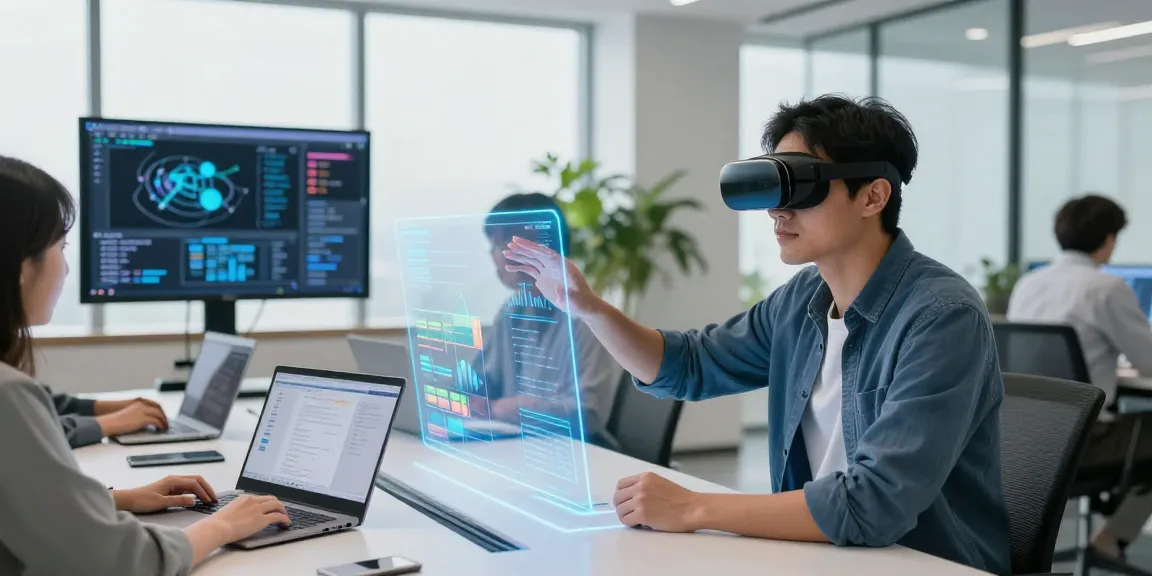
In the business realm, AR glasses facilitate remote collaboration by allowing teams to interact with 3D models and presentations in real-time. This technology can streamline workflows, reduce onboarding times, and enhance productivity by bridging geographical gaps.
Gaming and Entertainment: Transforming User Experience
The entertainment industry has found a rich new canvas with AR glasses, with opportunities for interactive storytelling and immersive gaming experiences. This technology empowers users to participate actively in narratives, creating a unique blend of reality and virtual engagement.
Challenges and Limitations of AR Glasses
Despite their potential, AR glasses face several challenges that may hinder broader adoption.
Common Misconceptions About AR Technology
One prevalent misconception is that AR glasses are solely for gaming. In reality, they have far-reaching implications in various sectors, including healthcare, real estate, and manufacturing.
Technical Challenges: Connectivity, Compatibility, and Battery Life
AR glasses often require a stable internet connection for full functionality, which can be a barrier in remote areas. Furthermore, compatibility issues with existing devices can impede user adoption. Battery life remains a persistent challenge, as high-performance features demand substantial power, making efficient energy management crucial.
Social Acceptance and User Adaptation to AR Devices
Another hurdle is social acceptance. Users may initially feel uncomfortable wearing AR glasses in public or professional settings. Education and familiarity will play essential roles in easing these concerns as the technology becomes more mainstream.
The Future of AR Glasses: Trends and Predictions
The horizon for AR glasses is filled with transformative possibilities, driven by technological advancements and market trends.
Emerging Developments in AR Technology for 2026 and Beyond
As we move forward, expect enhancements in display quality, such as improved resolution and color accuracy, which will elevate the user experience. Moreover, advancements in AI integration will enable smarter interactions and personalized experiences.
Market Predictions: Growth and Adoption Rates of AR Glasses
The AR glasses market is projected to expand significantly, with increasing adoption across various industries. As prices decrease and technology becomes more user-friendly, more consumers will embrace AR glasses for everyday use.
How Companies are Innovating to Meet Consumer Needs
In response to user feedback, companies are focusing on developing lighter, more comfortable models while enhancing battery life and improving software ecosystems. As competition increases, innovation will accelerate, leading to even more advanced and user-centric solutions.